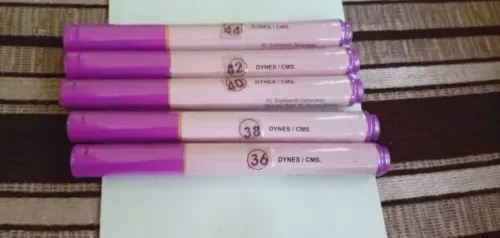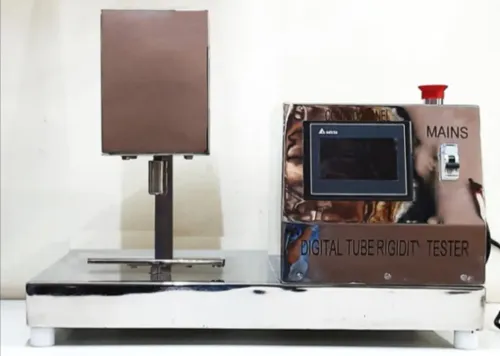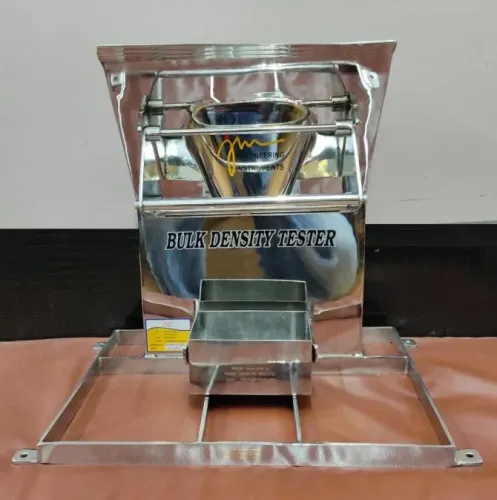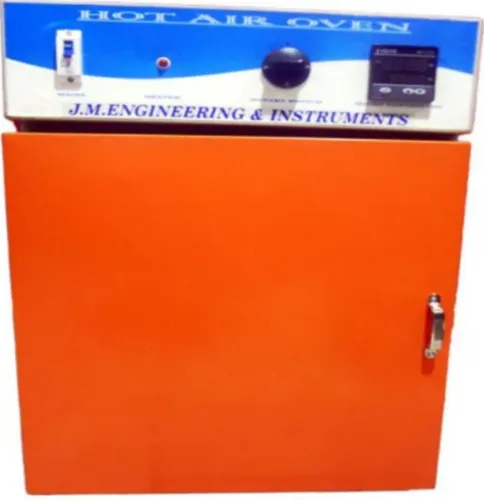

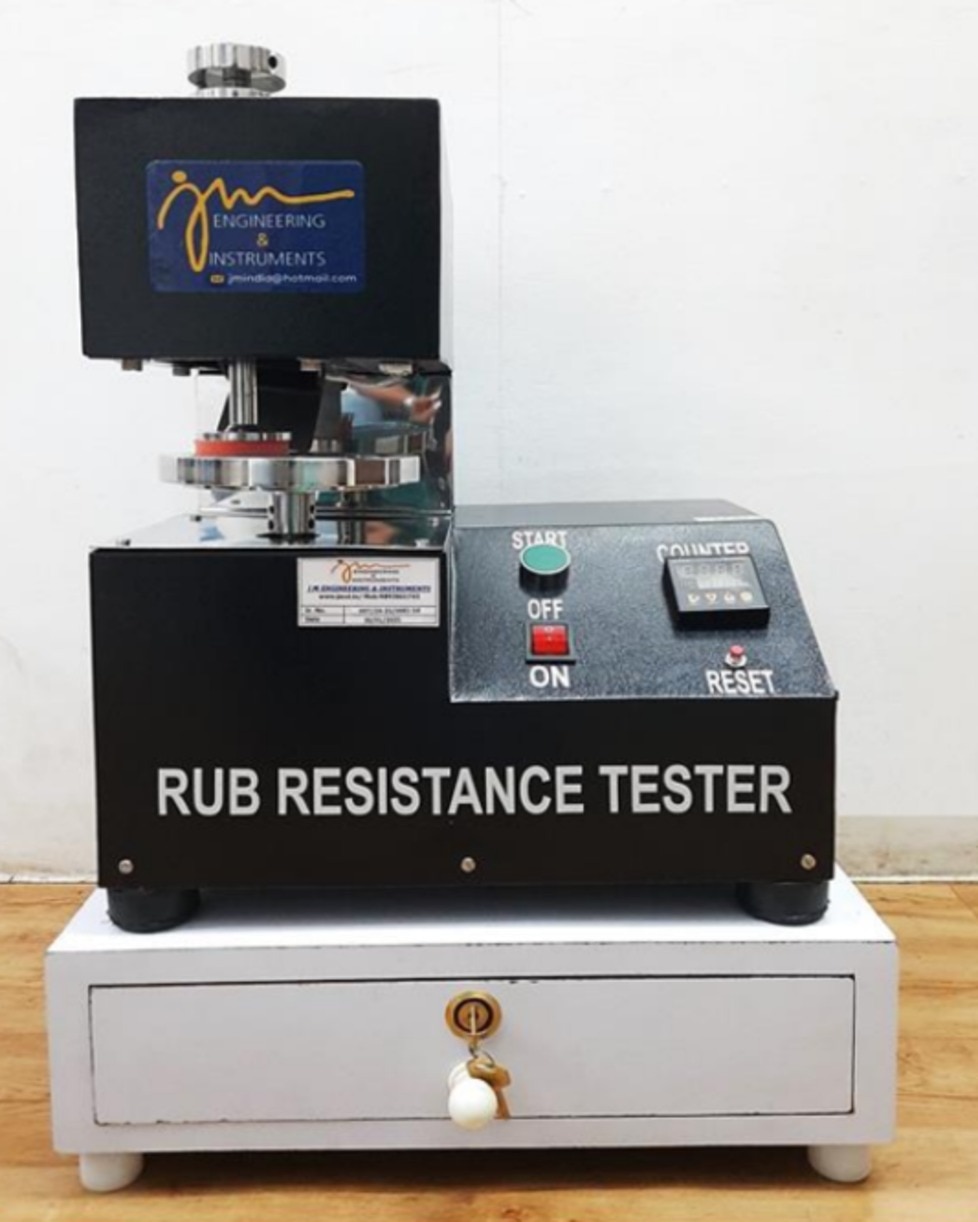
A rub tester is only useful when its rubbing medium, load, stroke, speed, cycle count, and specimen fixture match the method you need to run. By the end, you will know which parts belong in the instrument package, how to verify the operating setup, and which questions to ask before comparing quotations.
Key takeaways
- A complete tester needs specimen holders, rubbing head, load, stroke control, and result-recording method.
- Match the rubbing medium, load, stroke count, and speed to the named test standard.
- Condition dry and wet specimens consistently before testing to prevent misleading comparisons.
- Compare calibration records, replacement parts, service response, and training before choosing a Mumbai supplier.
What belongs in a complete rub proofness tester
A complete rub proofness tester includes the mechanism that moves the specimen, the parts that hold it, the controlled rubbing contact, and the means to record the result. Without a named rubbing medium, load, stroke, speed, and conditioning procedure, rub proofness testing equipment is not ready for meaningful comparison.
| Component | Job |
|---|---|
| Motor-driven rubbing head | Moves the rubbing medium across the specimen at a controlled speed and stroke. |
| Specimen bed and clamps | Hold paper, board, film, labels, coatings, or textiles flat and aligned. |
| Rubbing medium | Creates the defined contact surface, such as cloth, paper, film, or specified abrasive media. |
| Load weight or adjustable loading system | Applies the pressure required by the test method. |
| Drive mechanism | Produces the reciprocating forward-and-return movement. |
| Cycle counter and stop control | Counts completed cycles and stops at the selected endpoint; confirm that one forward-and-return movement equals one cycle. |
| Control panel and display | Sets and shows speed, load-related settings, stroke, cycles, and test status. |
| Calibration accessories | Help verify stroke, speed, load, and counter performance. |
| Operating documentation | States setup, specimen dimensions, conditioning, maintenance, and supported standards. |
Ask for the package to identify ASTM D5264, ASTM F1571, TAPPI T830, ISO 105-X12, or another named method. Confirm the supplied configuration, not merely the product title, and request voltage, frequency, earthing, temperature, humidity, and dust-protection requirements for your laboratory.
How the rubbing test works and which settings control it
The specimen is clamped on a bed, then a motor-driven head moves a defined rubbing medium back and forth across its printed, coated, laminated, textile, or packaging surface. The applied load, contact geometry, stroke, speed, and cycle count determine the severity; change one and the result is no longer directly comparable.
For packaging and printed materials, ASTM D5264 uses controlled reciprocating scuffing against a specified surface. Textile colour-fastness work under ISO 105-X12 uses a crockmeter finger and defined dry or wet rubbing cloth, not a generic felt pad or abrasive paper.
Specify these operating details before comparing quotations for rub proofness testing equipment:
- Specimen dimensions, mounting method, exposed test area, and clamp type
- Rubbing medium, contact geometry, and replacement or wear policy
- Applied load or prescribed pressure
- Stroke length and rubbing speed
- Number of strokes or cycles and counter range
- Dry or wet condition, liquid, wetting amount, and conditioning time
| Application | Contact arrangement | Condition to identify | Main risk if substituted |
|---|---|---|---|
| Printed or packaging specimen | Reciprocating head against the method-specified surface | ASTM D5264 settings, load, stroke, speed, and cycles | A motorised rub tester may produce non-comparable scuff results |
| Textile specimen | Crockmeter finger with prescribed rubbing cloth | ISO 105-X12 pressure, strokes, and dry or wet cloth | Felt or abrasive paper changes colour-transfer results |
| Coated or laminated specimen | Controlled rubbing head over the finished surface | Coating side, backing, load, and liquid condition | Water can soften the coating or mobilise ink |
A calibration certificate confirms instrument calibration, not method compliance. Verify the load, stroke, speed, counter operation, contact geometry, and rubbing-medium condition separately.
Match the tester configuration to the named test standard
A quote that says “rub tester” does not prove compliance with a method. Ask the rub proofness tester manufacturer to identify the exact standard, specimen type, rubbing medium, load, stroke length, speed, cycle count, and conditioning procedure covered by the supplied configuration.
Request these confirmations in writing:
- ASTM D5264: confirm the reciprocating scuff test arrangement for the intended paper, board, film, label, or package surface, including the specified rubbing surface and load.
- ISO 105-X12: confirm a crockmeter configuration with the prescribed rubbing finger, dry or wet rubbing cloth, pressure, stroke, and number of strokes. Felt pads or generic abrasive paper do not qualify.
- TAPPI T830: request the method revision and a component-by-component statement showing how the machine reproduces its rubbing motion, contact material, load, and evaluation procedure.
- ASTM F1571: request the exact specimen, rubbing interface, operating settings, and result-assessment instructions used for this method.
- Another internal or customer method: supply the written procedure and obtain a signed configuration map before accepting the quotation.
Check the delivered machine against that map. The label, manual, calibration record, and accessories should identify the same method; a generic two-pound weight is only a commercial configuration, not universal evidence of compliance.
If the supplier cannot state the rubbing medium, load, stroke, speed, and counter range, you cannot compare its results directly with published data.
Prepare dry and wet specimens without changing the result
A wet rub is not a damp version of a dry rub. Liquid can soften a coating, change friction, or mobilise ink, so use separate specimens and record the wetting conditions.
1. Condition paperboard, labels, coated prints, and textile specimens at the temperature and relative humidity specified by the test method. Record specimen age after printing or coating, and test them in the conditioned state.
2. Cut each specimen to the required dimensions. Mount it flat, with the printed or coated face aligned to the rubbing path; remove wrinkles, trapped air, and loose fibres. Clamp outside the evaluation area.
3. For a dry test, use the specified dry rubbing medium. For a wet test, identify the liquid, application amount or wetting procedure, soaking or conditioning time, and whether the cloth is wet or dried before rubbing.
4. Set the rub proofness testing equipment to the method’s load, stroke length, speed, and cycle count. Use the named rubbing medium and let the drive mechanism complete every stroke; hand pressure or an improvised cloth changes the result.
5. Inspect specimens under consistent lighting against an agreed rating scale or reference set. Record ink transfer, coating scuffing, colour change, or substrate damage separately, because inconsistent visual judgement can turn the same specimen into different pass/fail results.
Report dry and wet results separately, including conditioning, liquid, cloth state, load, cycles, and inspection method. Never combine them into one average.
Compare results, instrument types, and Mumbai supplier support
A higher cycle count is not automatically a better rub result. Compare specimens only when the rubbing medium, load, stroke, speed, conditioning, and inspection method match; report transferred ink, visible scuffing, colour change, or coating loss against the stated acceptance limit.
| Instrument | What it measures | Use it when |
|---|---|---|
| Print or packaging rub tester | Ink, varnish, laminate, or coating transfer after controlled rubbing | Testing paper, board, film, labels, and packs |
| Textile crockmeter | Colour transfer during dry or wet crocking with a defined finger, cloth, pressure, and strokes | Following ISO 105-X12 |
| Taber abrasion tester | Surface wear from rotating abrasive wheels under a specified load | Measuring coating or material abrasion, not ordinary ink rub |
Do not accept generic felt, abrasive paper, or a packaging clamp as proof of ISO 105-X12 capability. A textile configuration needs the specified crocking finger, rubbing cloth, wetting or conditioning arrangement, and pressure.
For a rub resistance tester in Mumbai, ask the rub tester supplier to list these items in the quotation:
- Rubbing media, spare cloth or pads, weights, clamps, and calibration accessories
- Operating temperature and humidity range, supply voltage and frequency, earthing requirement, and dust-protection provision
- Calibration traceability for mass, length, and time, plus turnaround for recalibration
- Local installation, operator training, replacement-media availability, and service coverage
J.M. Engineering and Instruments can be evaluated on this evidence rather than its product label: the supplied configuration must map to your material, named standard, and acceptance criterion.
Related products
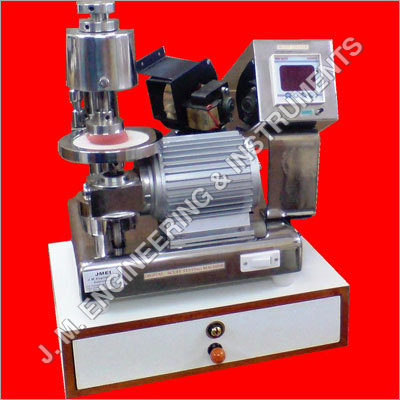 | Testing Equipments J. M. ENGINEERING & INSTRUMENTS Rub Resistance Tester Manufacturer & Supplier J. M. View product → |
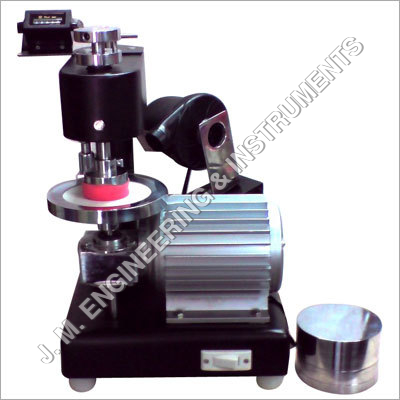 | Testing Equipments Standard Rub Resistance Tester J. M. ENGINEERING & INSTRUMENTS Standard Rub Resistance Tester Manufacturer & Supplier J. M. View product → |
Frequently asked questions
What belongs in a complete rub proofness tester?
The tester needs a specimen-moving mechanism, specimen holder, controlled rubbing contact, defined load, stroke or cycle control, and a way to record or assess the result. Confirm that the package includes the specified rubbing medium and any required wetting accessories.
Which settings control a rub proofness test?
The rubbing medium, contact load, stroke length, rubbing speed, number of strokes, specimen orientation, and conditioning procedure control the test. Use the exact settings named by the selected standard so results remain comparable.
How should you prepare dry and wet specimens?
Condition dry specimens under the temperature and humidity stated by the test method. For wet testing, use the specified water volume or wetting procedure, apply it consistently, and control the time between wetting and rubbing.
How do you match a tester configuration to a test standard?
Start with the standard named in your customer specification or quality plan, then verify its required rubbing medium, load, stroke count, speed, specimen size, conditioning, and evaluation method against the tester configuration.
What should you compare when choosing a rub tester supplier in Mumbai?
Compare the instrument type, standard compatibility, calibration documentation, replacement rubbing materials, operator training, service response, and availability of spare parts. Ask the supplier to identify which requirements the quoted configuration covers.